From Plastic Dreams to Family Memories: My Journey Into Film Photography


When most people think of photography today, they think of megapixels, instant previews, and memory cards that can hold thousands of images. But for me, photography took a different path—one that eventually led to slowing down, embracing imperfections, and connecting with someone I'll always miss.
My journey into film photography didn't start with an expensive vintage camera. It started with a little plastic camera that wasn't meant to be taken too seriously.
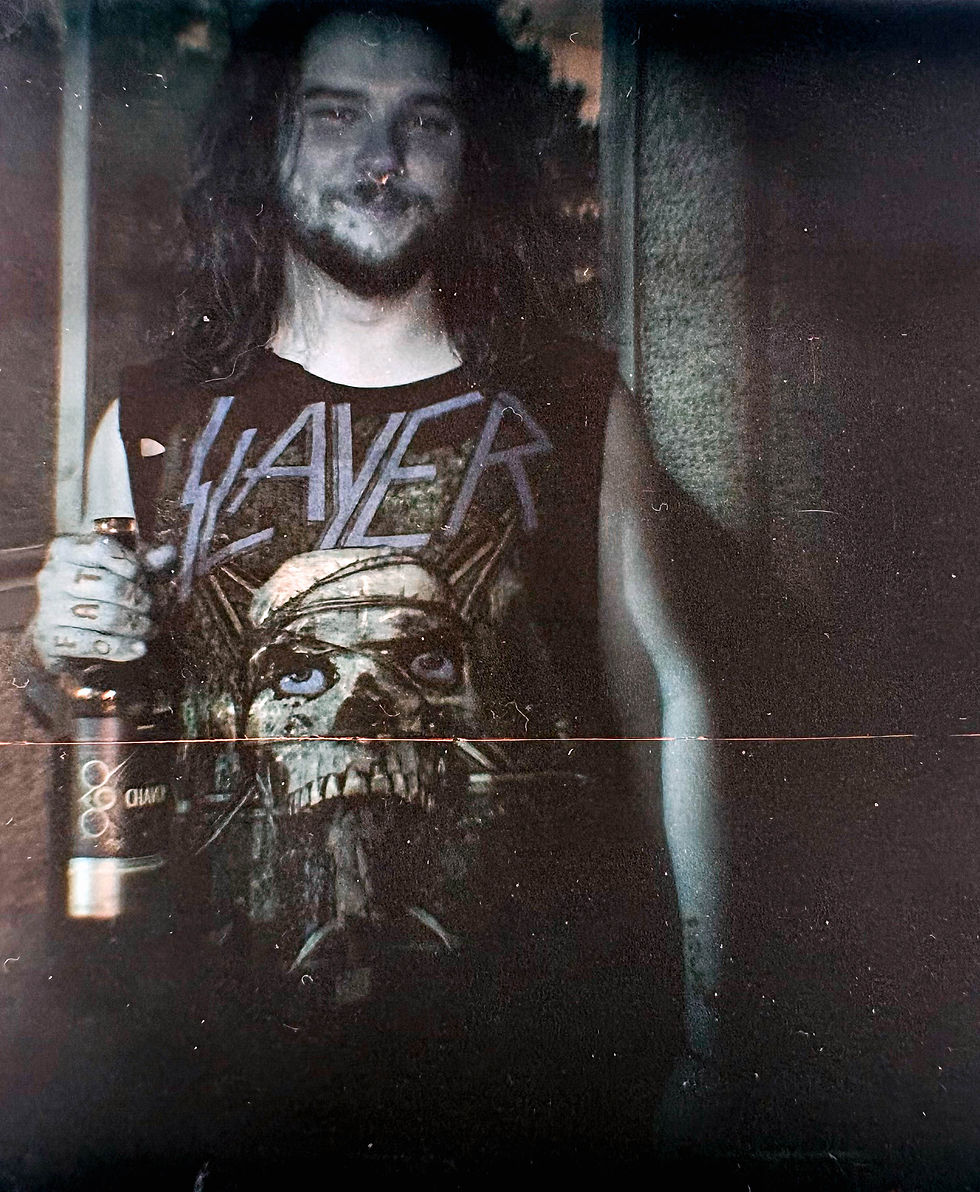

Falling in Love with the Diana
The first film camera I ever used was a Diana. If you've never held one, it's wonderfully imperfect. Made almost entirely of plastic, it produces soft focus, heavy vignetting, light leaks, and images that often feel more like memories than photographs.
At first, it was frustrating.
There was no screen to check if I got the shot. No autofocus. No instant gratification. Every click of the shutter was a mystery that wouldn't be solved until days—or sometimes weeks—later.
But that's exactly what made it magical.
The Diana taught me that not every photograph has to be technically perfect to be meaningful. Sometimes the blur, the light leak, or the unexpected double exposure tells a better story than a perfectly sharp image ever could.
It changed the way I looked at photography.
Learning to Slow Down
Film has a way of making every frame matter.
Instead of firing off twenty photos and hoping one works, I started paying attention. I looked at the light. I thought about composition. I waited for the right moment instead of trying to create it afterward with editing software.
Every roll became an exercise in patience.
Developing film feels a bit like opening a time capsule. You genuinely don't know what you've captured until the negatives come back. Some frames surprise you. Others disappoint you. But every roll teaches you something.

Picking Up Dad's Spotmatic
As much as I enjoyed the Diana, one camera means more to me than any other.
My late dad's Pentax Spotmatic.
Holding it for the first time was emotional. This wasn't just another vintage camera—it was his. The same camera he once looked through. The same shutter he pressed. The same worn controls shaped by years of use.
Photography suddenly became more than creating images.
It became a connection across time.
Every scratch on the body, every click of the shutter, every turn of the focus ring reminds me that this camera has a history long before it came into my hands.
A Whole New Challenge
The Spotmatic demanded more from me than the Diana ever did.
Fully manual focus.
Manual exposure.
No shortcuts.
At first I made mistakes—underexposed negatives, missed focus, and a few rolls that taught me some very humbling lessons. But those mistakes became part of the experience.
Film photography isn't about perfection.
It's about learning, experimenting, and appreciating the process.
Each successful frame feels earned.
Why Film Still Matters
In a world where we can take thousands of digital photos without thinking twice, film asks us to slow down.
It reminds us that photographs aren't just files stored on a hard drive—they're physical moments captured on a strip of light-sensitive film.
Every roll costs money.
Every frame matters.
Every photograph carries intention.
That deliberate process has made me a better photographer, even when I pick up my digital camera.
More Than Photography
When I use my dad's Spotmatic, I'm not just making photographs.
I'm continuing a story.
Every roll I shoot feels like a conversation across generations. It's a reminder of why I fell in love with photography in the first place—not because of the latest technology, but because photographs preserve moments that would otherwise disappear.
From a quirky little Diana camera to the Pentax Spotmatic that belonged to my dad, film photography has become far more than a hobby.
It's taught me patience.
It's taught me to embrace imperfection.
And most importantly, it's given me a beautiful way to remember someone who helped shape the person—and photographer—I am today.

Comments